 Steve Neal
•Belief that genre is in constant flux,
changing and evolving.
•Five main stages in film genre
1.The form finding itself (Pyscho)
2.The classic (Halloween)
3.Stretching the genre boundaries (Nightmare
on Elm Street)
4.Parody (Scary Movie)
5.Homage (Scream)
 Andre Bazin
•Introduced the idea of genre theory in
films looking at Westerns in the 1950's.
•He was the first to look at the
significant advantages of genre from the point
of view of the
institutional
perspective (e.g. reuse of sets, props etc; easier to market)
and as more than
simply arbitrary: these originated at production level.
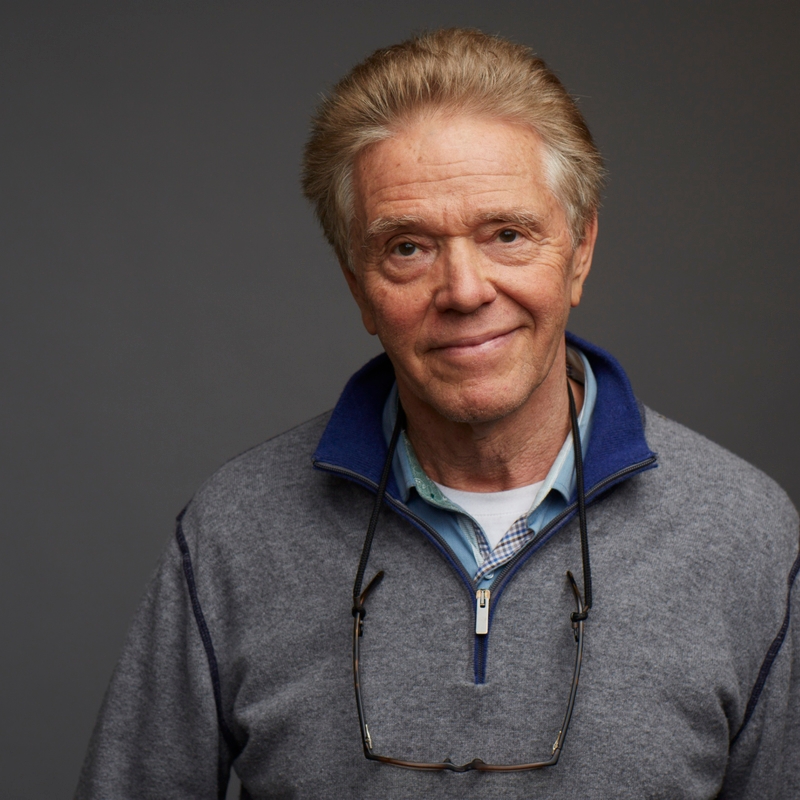 Robert Stam
•Genre is hard to define, doesn’t really
exist and is a concept made up
by theorists and critics.
•He argues that the four main problems
are: extension
(the breadth or
narrowness of labels);
normativism
(having preconceived ideas of criteria for genre
membership); monolithic
definitions (as if an item belonged to
only one genre); biologism
(a kind of essentialism in which genres are
seen as evolving through a
standardized life cycle).

Bordwell
•Bordwell concludes that 'one could...
argue that no set of necessary and
sufficient conditions can mark off genres
from other sorts of groupings
in ways that all experts or ordinary film-goers
would find acceptable'
(Bordwell 1989, 147).
Comments
Post a Comment